
Last updated September 22, 2026
Free on-site gate assessment - hinges, posts, and your LiftMaster or Nice gate operator checked before anything is quoted
The assessment is free and the quote is the invoice.

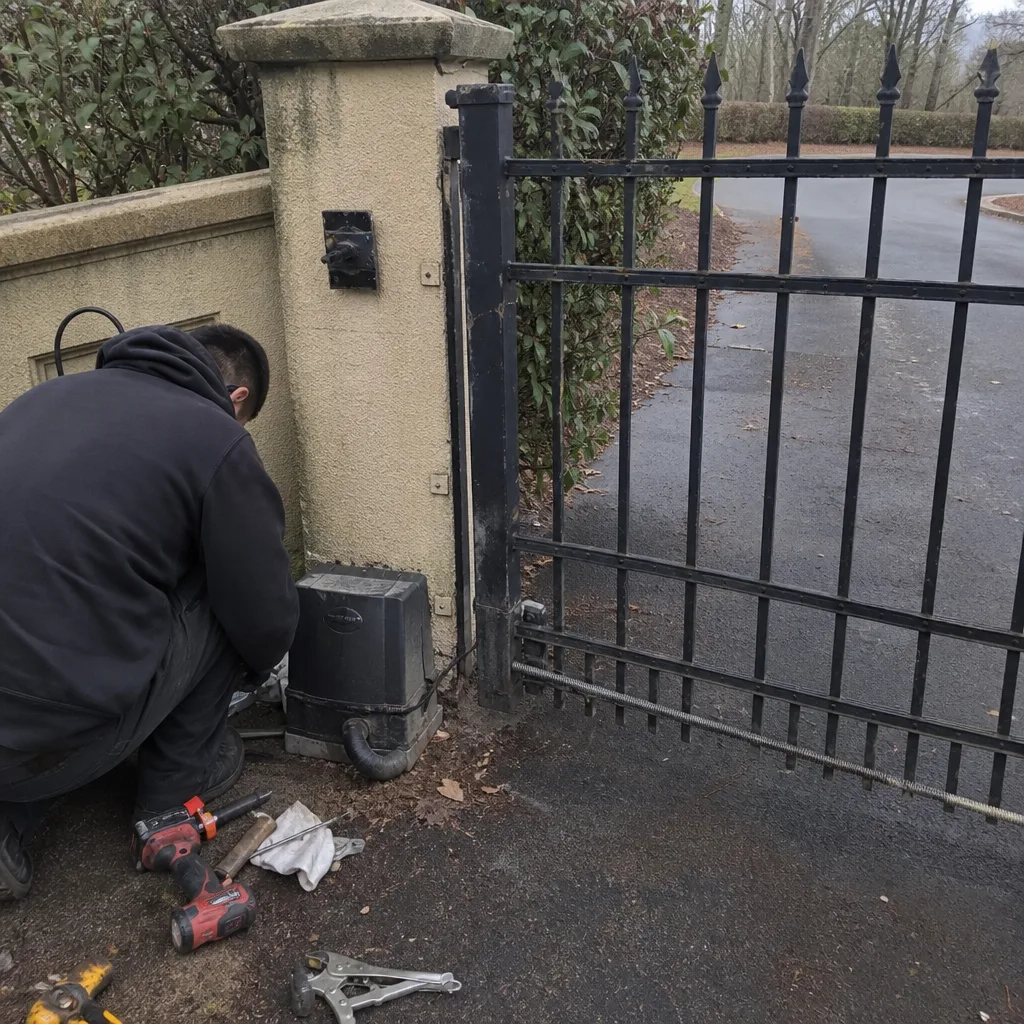 Before
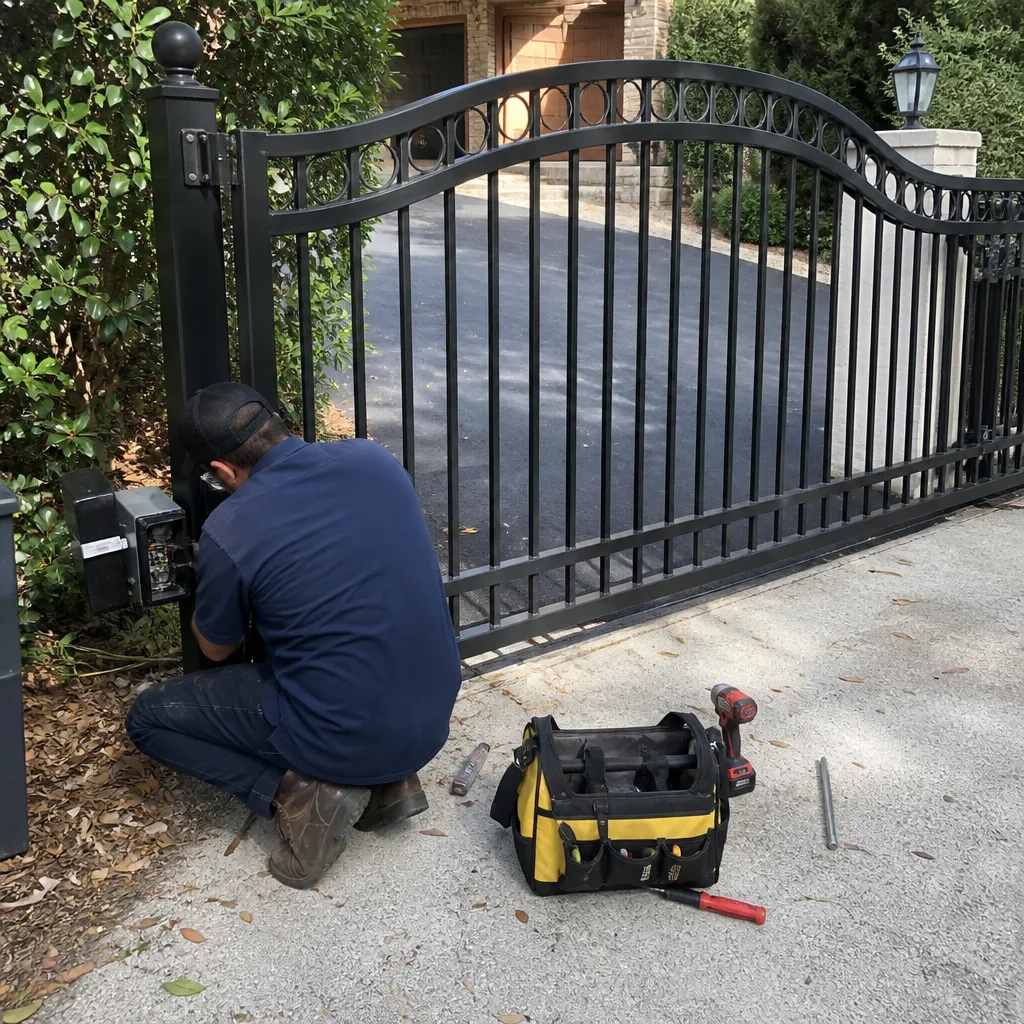 After
After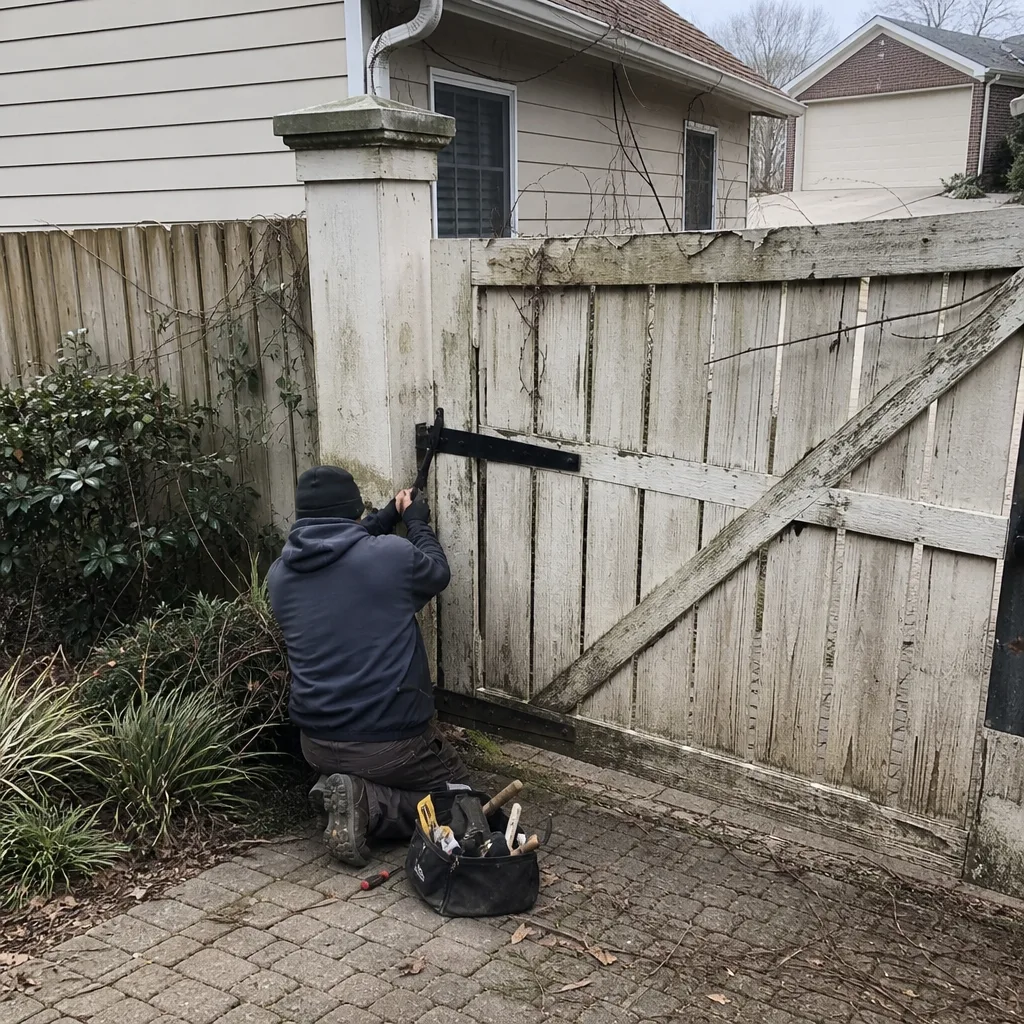 Before
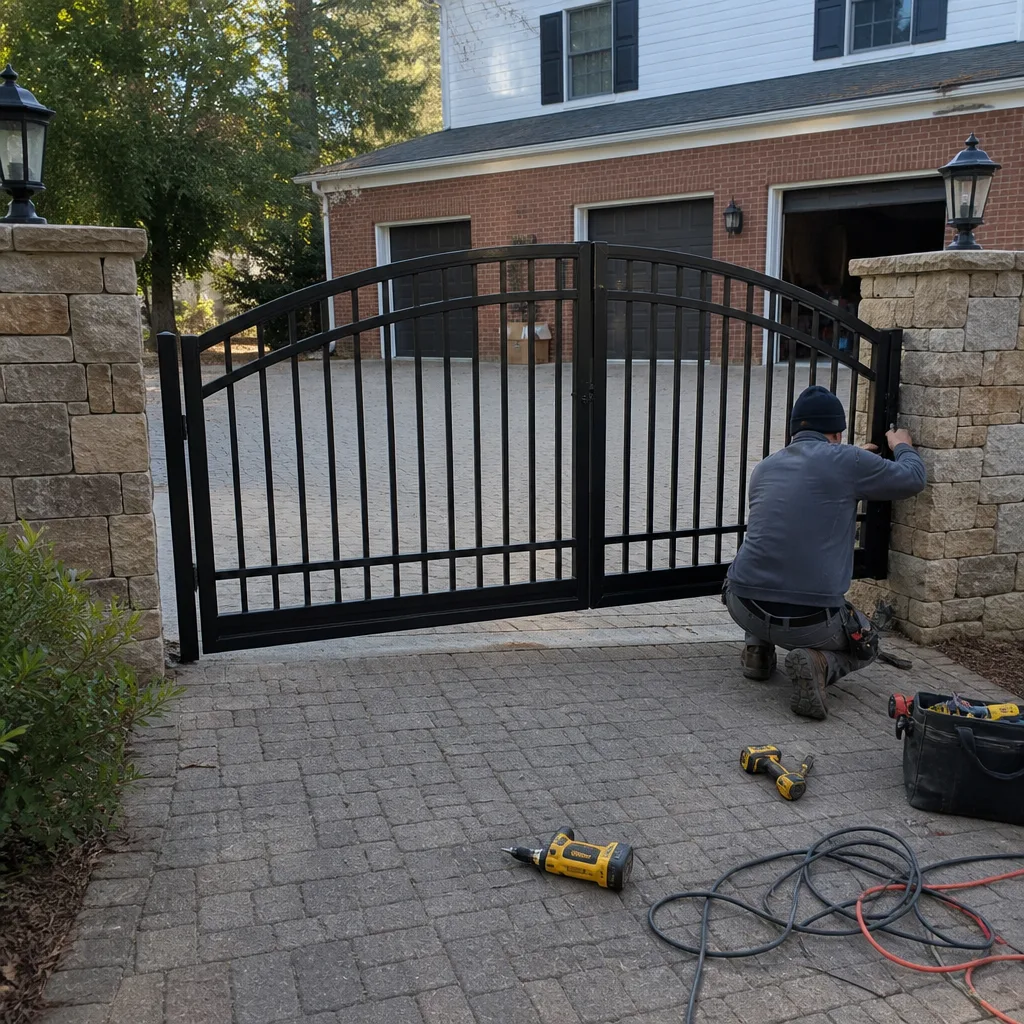 After
After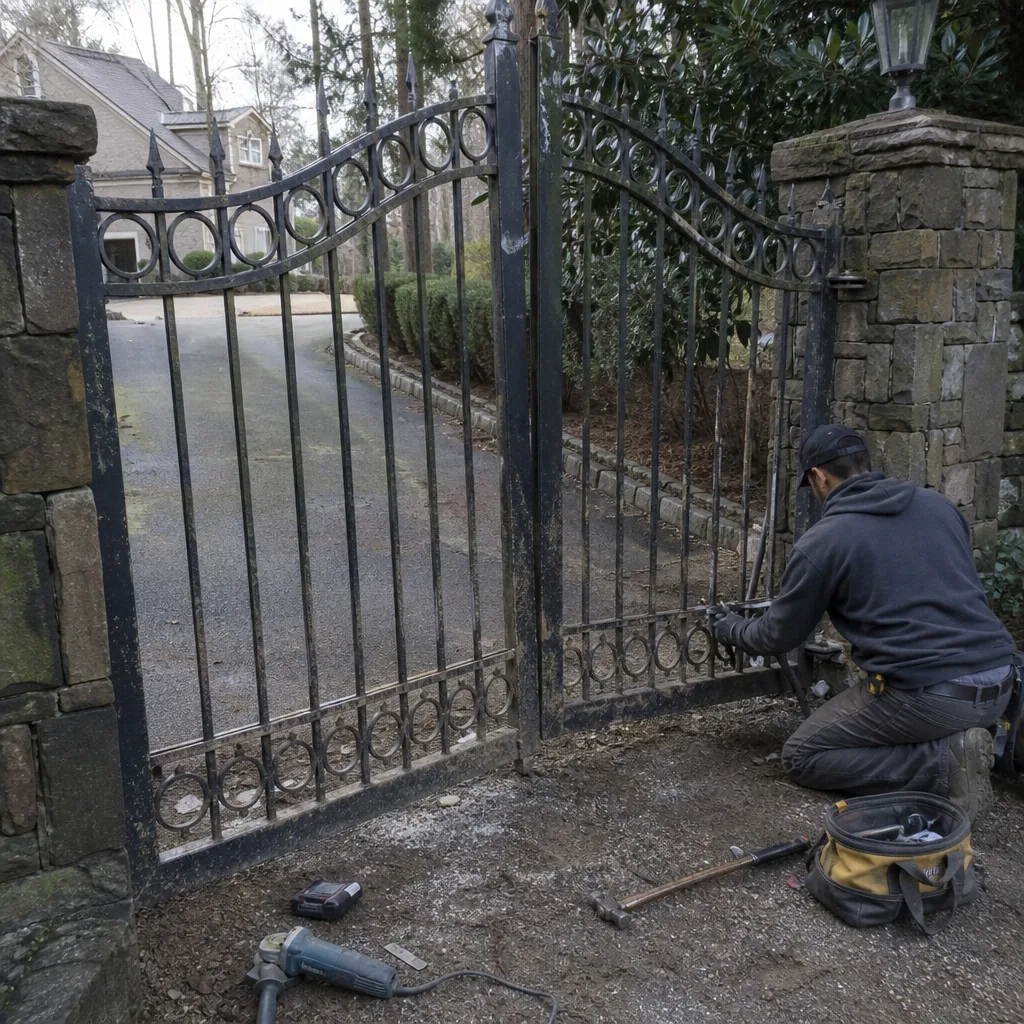 Before
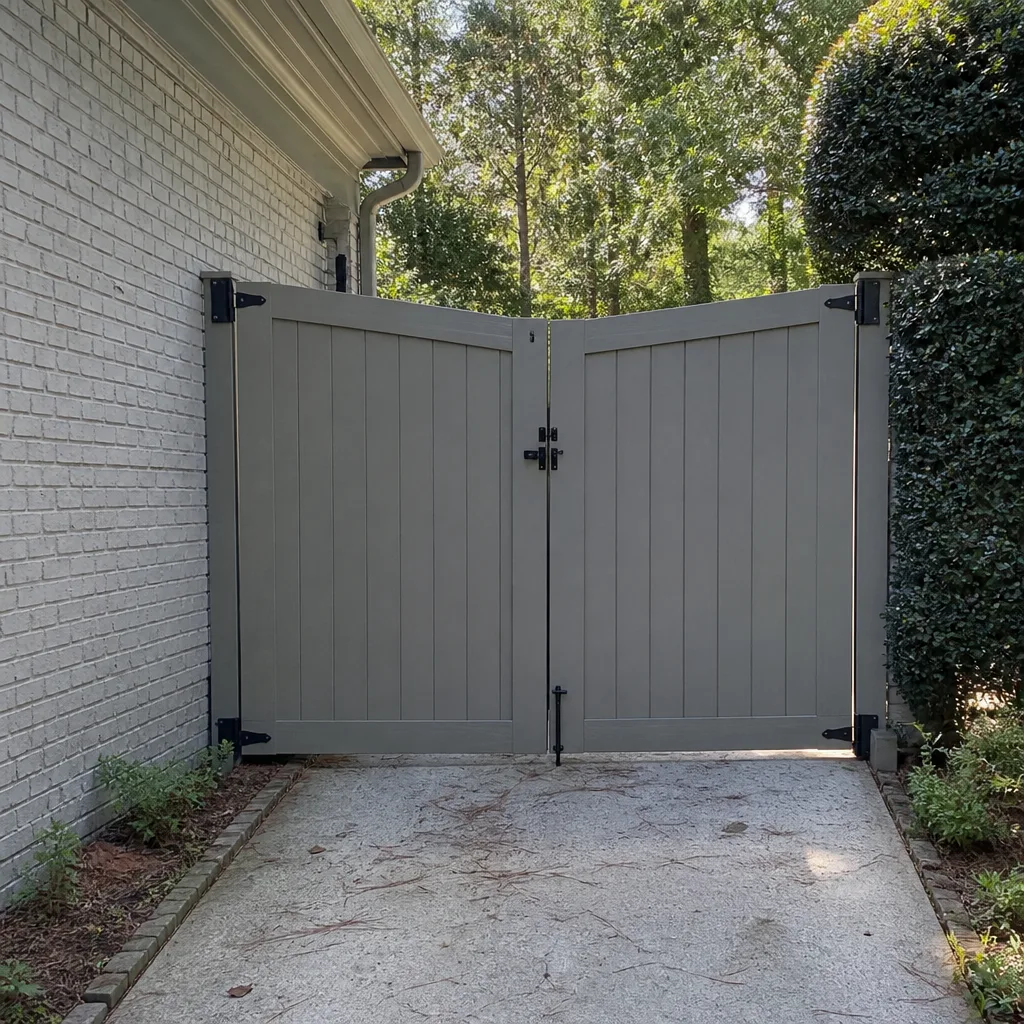 After
AfterGate Repair Permits, Codes & Inspections in GA: What You Need to Know
Replacing a failed gate operator with an identical model in the same location sounds like a straight swap. In Fulton County, it can still trigger an electrical permit requirement that, if skipped, voids your homeowner’s insurance coverage for gate-related incidents. Most Johns Creek homeowners we meet either over-permit minor work, spending $200 on a permit for a $150 hinge adjustment, or they unknowingly skip permits on operator replacements that absolutely require them. This guide maps the exact thresholds that separate permit-exempt repairs from permit-required modifications in Georgia, what inspectors actually check, and how to protect yourself during a home sale.
Quick Answer
Gate repair permits in Georgia are required when work crosses specific thresholds: automation changes, electrical load modifications, structural alterations, or height adjustments above six feet. Simple repairs, hinge replacements, and like-for-like part swaps on existing operators typically do not require permits in Johns Creek or Fulton County, though our Gate Repair services can help you assess whether your specific situation qualifies. When permits are required, they must be pulled by a state-licensed contractor, and the work must pass inspection before the gate can legally operate.
Table of Contents
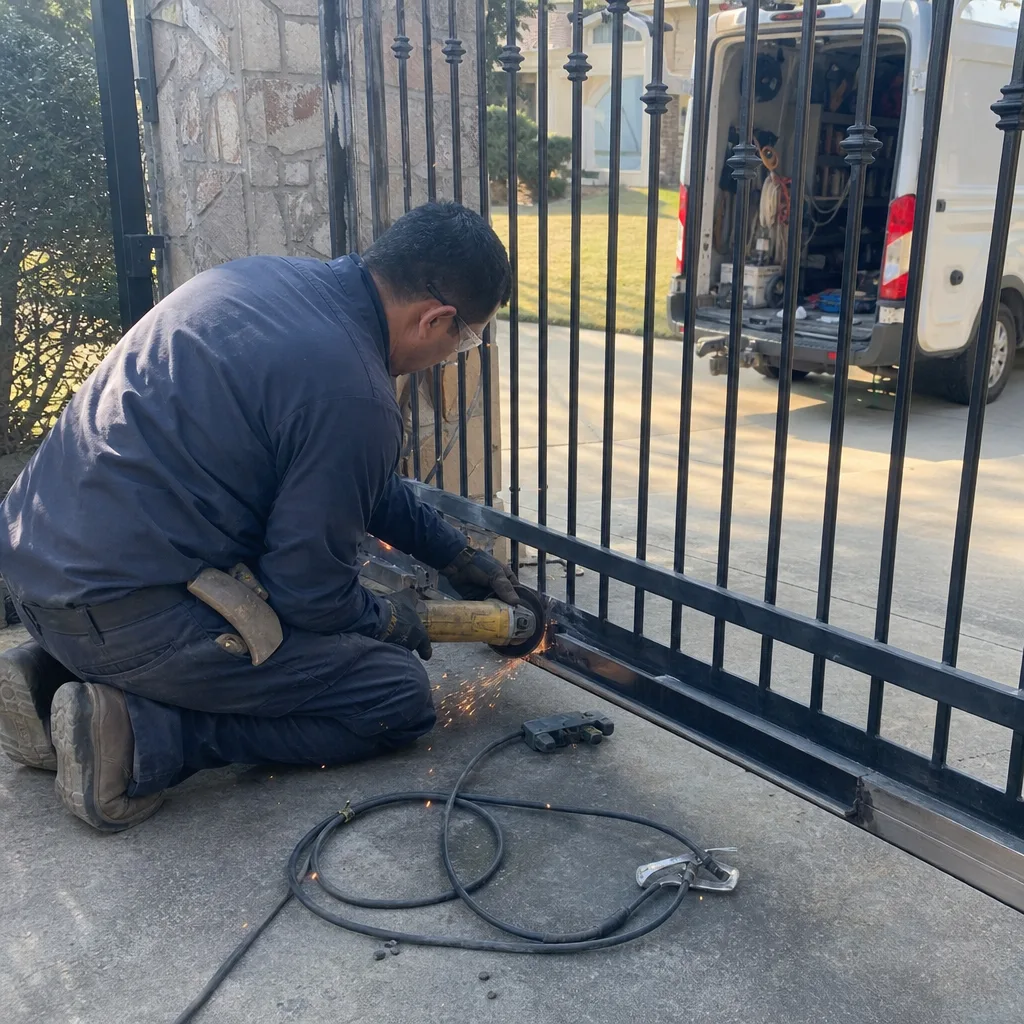
- When Are Permits Required for Gate Repair in Georgia?
- Fulton County and Johns Creek Municipal Thresholds
- Georgia’s Low-Voltage Electrical Code for Gate Operators
- Insurance Policy Language and Unpermitted Gate Work
- What Inspectors Actually Check: The Three Most Flagged Items
- How to File and Transfer Permit Documentation During a Home Sale
- Common Mistakes to Avoid
- When to Call a Professional
- Frequently Asked Questions
BeforeAfterWhen Are Permits Required for Gate Repair in Georgia?
Georgia operates under a threshold-based permitting system. The word “repair” alone does not determine whether you need a permit. What matters is what changes during the repair.
Permits are generally not required for:
- Replacing hinges, latches, or wheels with identical or equivalent components
- Adjusting limit switches or force settings on an existing operator
- Aligning photo-eyes (the infrared beam that stops the gate if something crosses the path)
- Welding cracks in an existing frame without altering dimensions
- Replacing a damaged arm or bracket with the same specification
Permits are required for:
- Installing a new gate operator where none existed, or replacing an operator with a different voltage, amperage, or horsepower rating
- Extending electrical service from the house to the gate, including new conduit runs
- Modifying gate height, width, or location on the property
- Adding automation to a previously manual gate
- Structural modifications to posts, footings, or the gate frame itself
The distinction that trips up Johns Creek homeowners most often: replacing a failed LiftMaster or Mighty Mule operator with the same model in the same location using the existing wiring typically does not require a permit. But if the new operator draws more amperage, requires a dedicated 20-amp circuit where a 15-amp existed, or needs new conduit buried across the driveway, you’ve crossed into permit territory.
We’ve documented this exact scenario dozens of times. A homeowner in Country Club of the South calls us because their Elite operator failed after eleven years. They purchased a replacement online that looked identical but was a newer generation with a higher inrush current. The existing 15-amp GFCI breaker tripped repeatedly. Upgrading to a 20-amp circuit required a permit. The homeowner had already discarded the old unit. We had to pull the permit retroactively, which added ten days and $340 to a job that should have taken three hours.
Fulton County and Johns Creek Municipal Thresholds
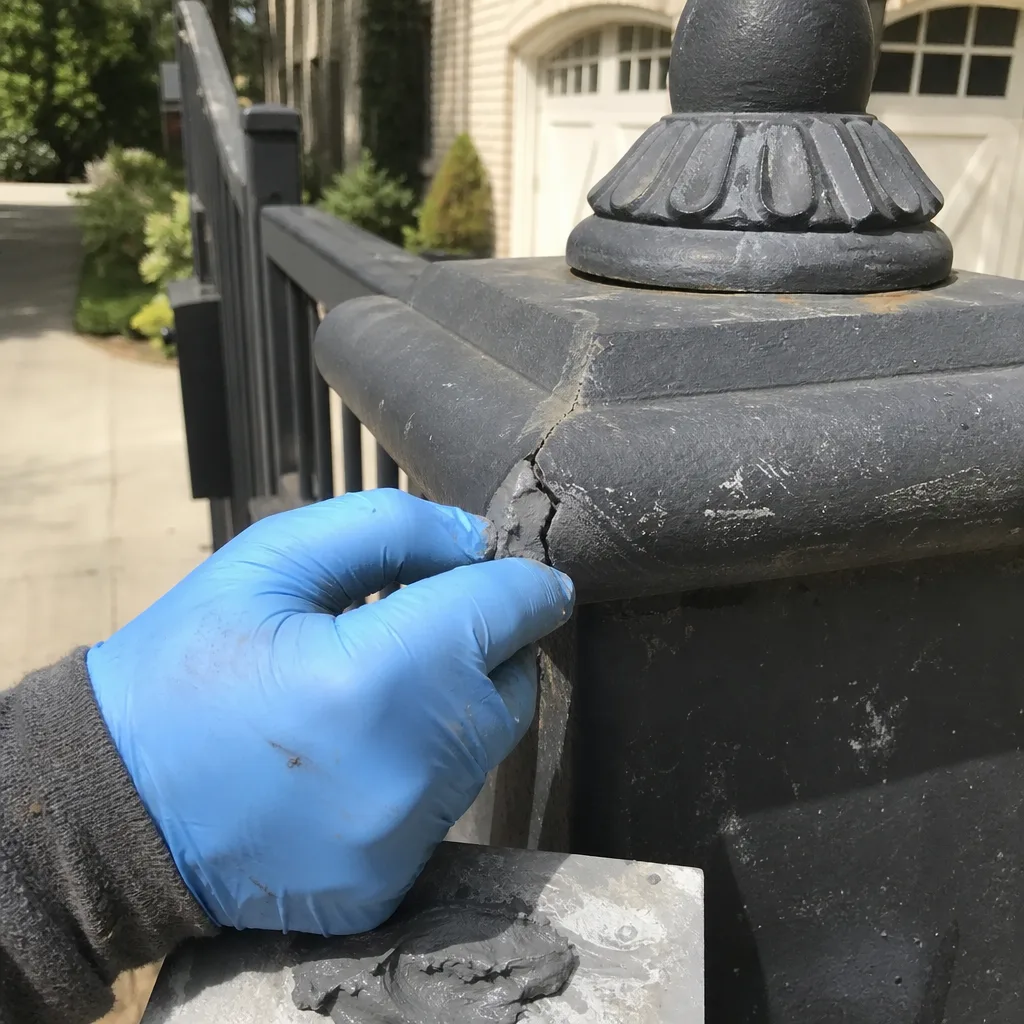
Fulton County enforces the Georgia State Minimum Standard Codes, but Johns Creek maintains its own zoning and site development regulations that layer on top. Understanding both sets of rules prevents the common mistake of checking state code while missing a local requirement.
Fulton County Building Permit Thresholds:
- Any electrical work beyond simple device replacement. Changing a receptacle or switch with an identical unit is exempt. Running new conduit, adding a junction box, or upgrading a breaker is not.
- Structural work on a fence or gate over six feet in height. This includes replacing posts on an existing eight-foot privacy gate, even if you’re using the same dimensions.
- New construction or replacement of a gate that changes the opening width. Widening a driveway from twelve to sixteen feet to accommodate a larger RV triggers both building and zoning review.
Johns Creek-Specific Requirements:
Johns Creek’s Unified Development Ordinance (UDO) governs gate placement relative to property lines and visibility triangles. A gate installed within twenty feet of an intersection must maintain sight distance standards, typically requiring a shorter height or a setback modification approved by the Zoning Administrator.
In the Rivermont and St. Ives neighborhoods, we’ve encountered homeowner association covenants that are stricter than city code. One St. Ives property required HOA architectural review for a gate color change from black to bronze, even though the city had no interest in the matter. The permit question and the HOA approval question are separate tracks. We always advise Johns Creek homeowners to check both before work begins.
The Fulton County permit fee schedule for residential gate work typically runs:
- Electrical permit (operator replacement with circuit modification): $75-$150
- Building permit (structural modification or new gate over six feet): $150-$400 depending on valuation
- Zoning verification letter (Johns Creek, for corner lots or visibility issues): $50-$100
These fees are trivial compared to the cost of unpermitted work discovered during a home sale. We’ve seen $2,400 gate installations trigger $8,000 in closing delays because the buyer’s lender required permit documentation that didn’t exist.
Georgia’s Low-Voltage Electrical Code for Gate Operators
Gate operators in Georgia fall under Article 725 of the National Electrical Code (NEC), adopted by reference in Georgia’s electrical code. The critical distinction: low-voltage control circuits (typically 24V DC for safety edges and photo-eyes) are treated differently from the line-voltage supply (120V or 240V AC) that powers the operator motor.
Who Can Pull an Electrical Permit for Gate Work?
Only a Georgia-licensed electrical contractor or a state-licensed low-voltage contractor can pull an electrical permit for gate operator installation. A handyman, a general carpenter, or even a general building contractor without the electrical classification cannot legally perform this work under permit.
This matters because many Johns Creek homeowners hire a fence company to build the gate, then discover the fence company cannot legally connect the operator. The result is either unpermitted electrical work or a second contractor hired at premium rates to finish what should have been a single job.
At Vance Gate Repair Johns Creek home, we hold the licenses required to pull electrical permits for operator work. When we replace a DoorKing or Linear operator that requires circuit modification, we pull the permit, coordinate the inspection, and leave you with the approved documentation. Under Clause 4 of our Haven Standard, the permit number and inspection sign-off are photographed and filed with your job record.
What the Code Actually Requires:
- GFCI protection for all 120V outdoor receptacles supplying gate operators
- Proper grounding of the operator chassis and all metallic gate components
- Conduit burial depth: 18 inches for PVC, 6 inches for rigid metal conduit in residential driveways
- Disconnecting means within sight of the operator, lockable in the open position
- Entrapment protection: photo-eyes or safety edges on all automated gates installed after 2000
The entrapment protection requirement is where we see the most code violations on existing installations. A gate installed in 1998 in Medlock Bridge may have operated safely for twenty-six years without photo-eyes. If we replace the operator today, current code requires us to add entrapment protection. This is not optional. It is not a sales tactic. It is a code requirement that the inspector will enforce, and skipping it risks both permit denial and liability exposure.
Insurance Policy Language and Unpermitted Gate Work
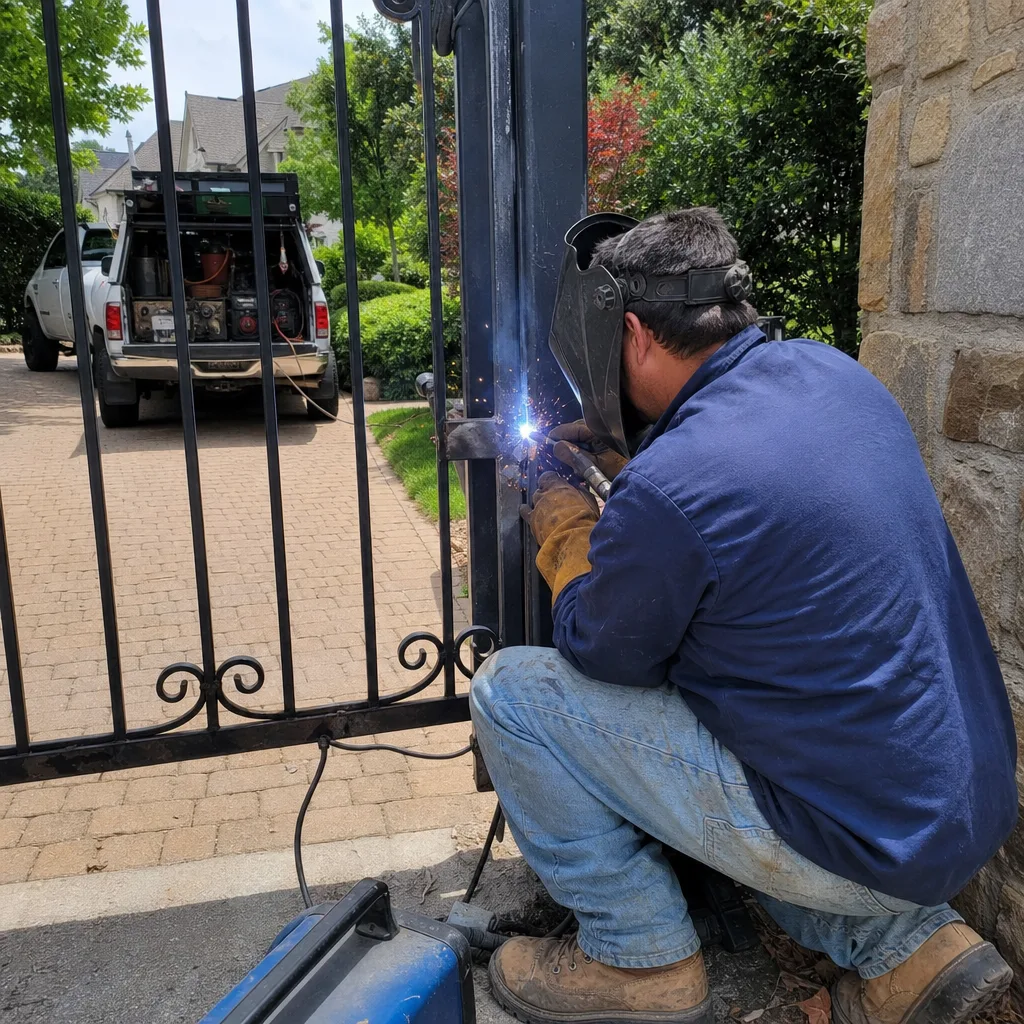
This is the section most gate repair guides skip entirely. They shouldn’t.
Standard homeowner’s insurance policies in Georgia contain exclusions for “loss arising from work performed without required permits” or “structural additions not disclosed to the insurer.” The language varies by carrier, but the core concept is consistent: if you should have obtained a permit and didn’t, the insurer may deny claims related to that work.
Does a Gate Qualify as a “Structure” Under This Language?
Yes, in most policy interpretations. A permanently installed automated gate is a structure. It is affixed to the ground. It contains electrical components. It affects property value and risk profile. Courts in Georgia have upheld insurer denials where unpermitted electrical work contributed to a loss, even if the unpermitted work was not the primary cause.
Consider this scenario we encountered in Abbots Hill: a homeowner replaced their own Mighty Mule operator after watching online tutorials. They did not pull an electrical permit. Six months later, a lightning strike damaged the operator and the home’s electrical panel. The insurer denied the claim for the gate-related damage, citing the unpermitted electrical modification. The homeowner paid $4,200 out of pocket for work that would have cost $180 to permit properly.
The disclosure requirement matters for home sales too. Georgia’s Seller Disclosure Statement asks whether the seller is aware of “any work performed without required permits.” Answering “no” when you know you skipped a permit is fraud. Answering “yes” triggers buyer negotiations, price reductions, or deal cancellations. Answering “don’t know” when you supervised the work yourself invites scrutiny.
The clean path: pull permits when required, keep the documentation, and disclose with confidence. We file every permit we pull in a format that transfers cleanly to new owners, including the final inspection sign-off and the electrical contractor’s completion certificate.
What Inspectors Actually Check: The Three Most Flagged Items
Fulton County building inspectors see hundreds of residential gates annually. Three items generate the majority of residential gate inspection failures in our experience.
1. Inadequate Post Footing Depth
Georgia’s frost line is shallow, but Fulton County requires gate posts to be set in concrete footings extending below the local frost depth or a minimum of 24 inches, whichever is greater. On sloped properties common in Johns Creek’s river-adjacent neighborhoods, inspectors measure from the lowest adjacent grade, not the post base. A post that looks properly set on the uphill side may fail because the footing is only 18 inches below the downhill grade.
We photograph footing depths before concrete pour on every installation. Under the Haven Standard, you receive these photos. If an inspector questions the depth, you have dated evidence.
2. Missing or Improper Entrapment Protection
As noted above, current code requires photo-eyes, safety edges, or both depending on gate type. The specific failure pattern: photo-eyes installed but misaligned, safety edges installed but not connected to the operator’s entrapment input terminals, or the operator’s built-in current-sensing reverse function disabled because it was “annoying.”
Inspectors test this. They place a test object in the gate path and verify reversal within two seconds. They check that safety edges respond to pressure. A gate that closes on the inspector’s test rig fails immediately.
3. Improper Conduit and Wiring Methods
Exposed Romex (NM cable) in outdoor locations is the most common electrical violation we see on existing installations. Outdoor gate wiring must be in conduit: PVC Schedule 40, rigid metal, or liquidtight flexible metal conduit where flexibility is needed. Splices must be in weatherproof junction boxes, not buried in tape.
Inspectors also verify GFCI protection and proper grounding. A common failure: the operator is grounded, but the metal gate frame is not bonded to the grounding system. If the frame becomes energized, it creates a shock hazard that the GFCI may not detect quickly enough.
When Gate Installation in Johns Creek work requires inspection, we schedule the inspection, meet the inspector on site, and address any corrections immediately. Most of our installations pass on first inspection because we build to the standard, not to minimums.
How to File and Transfer Permit Documentation During a Home Sale
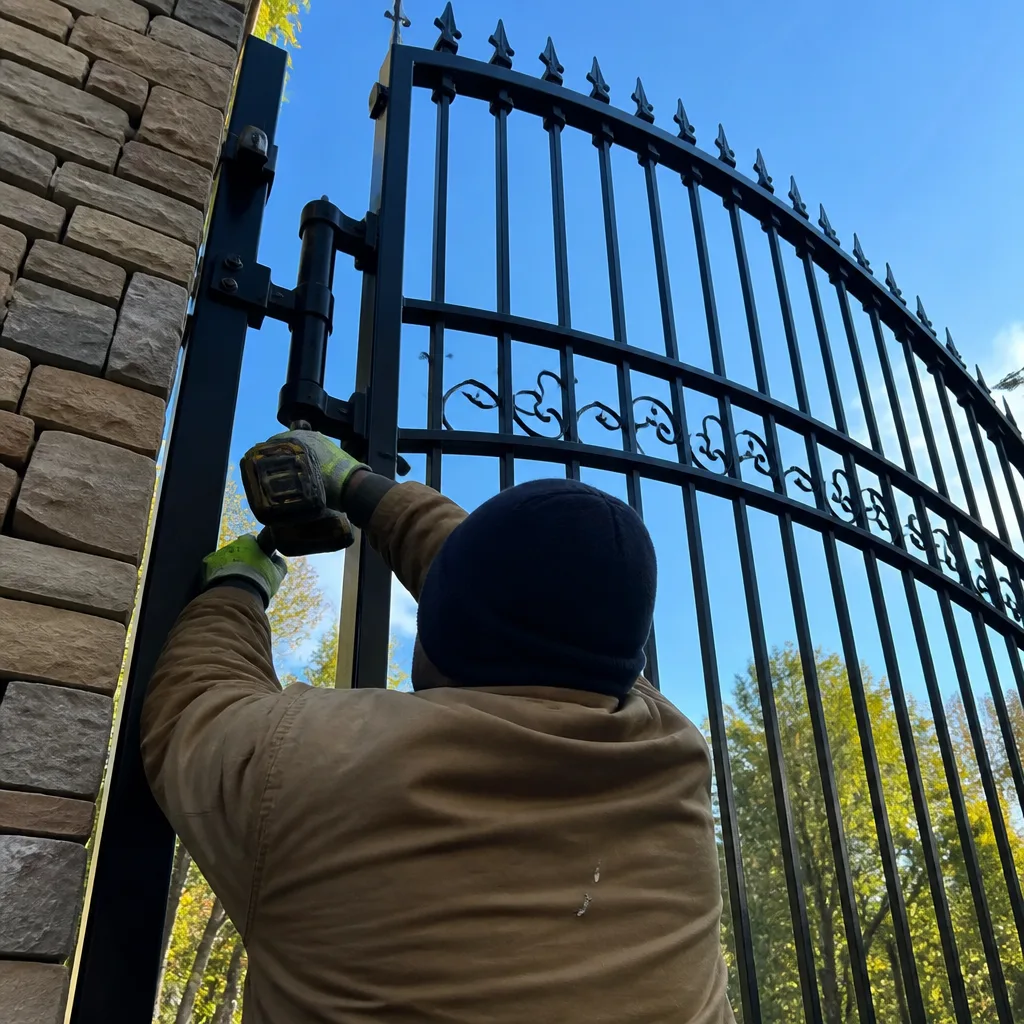
Permit documentation has a lifespan beyond the immediate job. Properly filed, it becomes a selling point. Improperly filed or lost, it becomes a liability.
Step-by-Step: Building Your Gate Permit File
- Request the permit application copy. When your contractor pulls the permit, ask for a copy of the application showing the scope of work, the permit number, and the issuing authority. This is your proof that the permit existed.
- Retain the inspection record. Fulton County provides inspection results online, but the interface is not permanent. Screenshot or print the final “Approved” inspection record. Include the date, inspector name, and any notes.
- File the electrical completion certificate. If electrical work was performed, the licensed contractor should provide a Certificate of Completion. This is separate from the inspection record and may be required by some lenders.
- Photograph the work. Before, during, and after photos showing footing depths, conduit runs, and final installation. Date-stamped photos resolve disputes years later.
- Store with your home records. Keep physical and digital copies with your deed, survey, and other permanent home documents.
Transferring at Sale:
Georgia does not have a centralized permit database accessible to buyers. Disclosure is the seller’s responsibility. We recommend providing:
- A summary sheet listing all permitted gate work, with dates, permit numbers, and contractor names
- Copies of final inspection approvals
- Any warranty documentation, including our 365-Day Done Right Promise
- Maintenance records showing the gate has been serviced
In Johns Creek’s competitive market, a documented, permitted, inspected gate installation differentiates your property. Buyers’ agents notice. Home inspectors notice. And when the buyer’s lender asks for permit verification, you have the answer ready.
We include permit documentation in every job file we maintain. If you sell your home five years after we worked on your gate, call us. We’ll provide a copy of the permit record at no charge. It’s part of the documentation habit we brought from commercial access-control work, where missing paperwork can lock a building’s security system in limbo for weeks.
Common Mistakes to Avoid
- Assuming “repair” never needs a permit. In Johns Creek, replacing a gate operator with a different model or upgrading the electrical supply is legally an alteration, not a repair, and requires permitting.
- Letting a handyman pull wire without checking licensure. Unlicensed electrical work cannot be legally inspected. If discovered, you may need to remove and replace the work at your expense.
- Ignoring HOA requirements while satisfying city code. We’ve seen properly permitted gates blocked by HOA architectural review because the homeowner skipped the parallel HOA process.
- Failing to bond the gate frame to ground. This passes casual inspection but fails electrical code review, and it creates a genuine safety hazard.
- Discarding old equipment before verifying permit status. The old operator model number and specifications may be needed to prove that a replacement was like-for-like and permit-exempt.
- Accepting verbal assurance that a permit was pulled. Always request the permit number and verify it with Fulton County or Johns Creek building department online or by phone.
- Assuming buyer’s insurance will cover unpermitted work. Policy exclusions for unpermitted work are standard in Georgia. The risk sits with the homeowner who approved the work.
When to Call a Professional
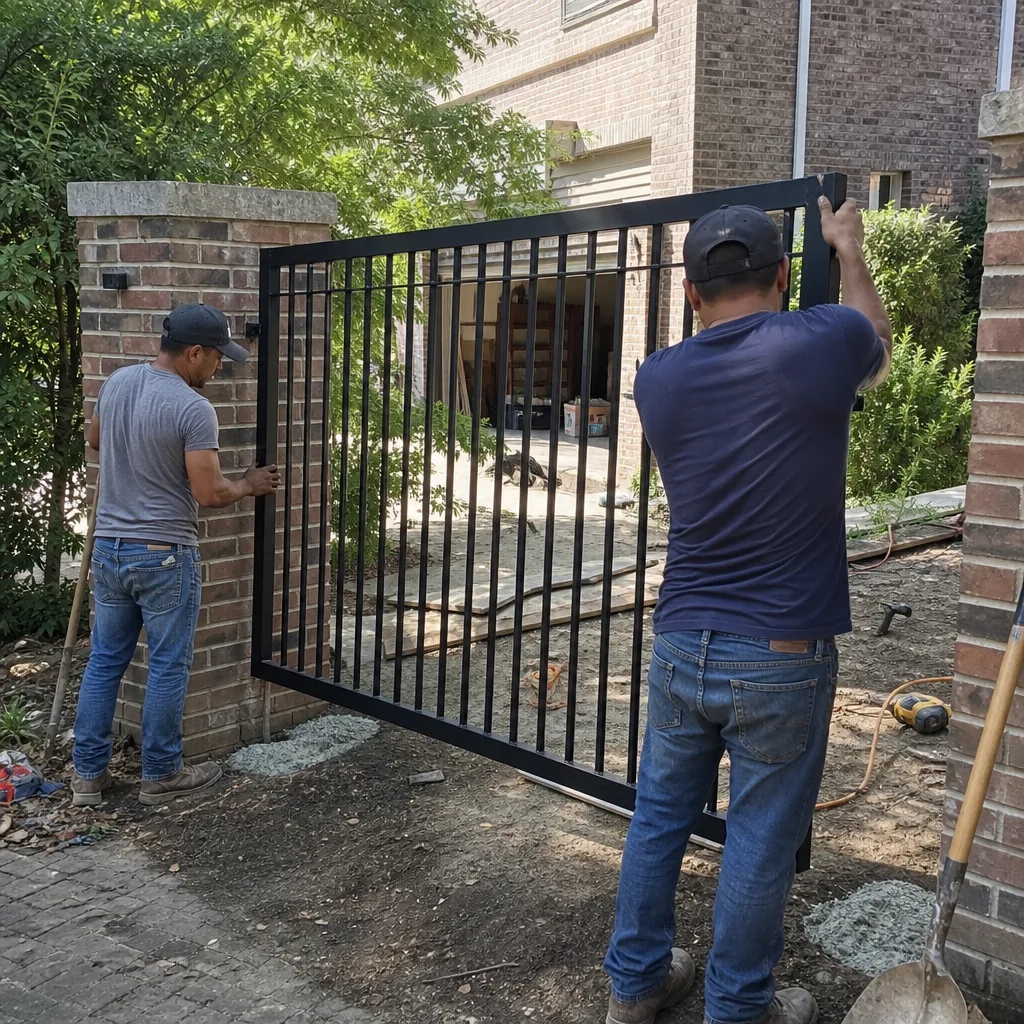
Call a licensed gate contractor when your project involves automation, electrical modifications, structural changes, or any work where you’re uncertain about permit requirements. The cost of professional guidance is modest compared to the cost of unpermitted work discovered during inspection or sale.
Vance Gate Repair Johns Creek offers free estimates in Johns Creek. We’ll assess your gate, identify whether permits are required, and provide a written scope and price before any work begins under Haven Standard Clause 1. If permits are needed, we pull them. If they’re not, we document why and leave you with that record. Call (678) 394-1765.
Frequently Asked Questions
Not if it’s a like-for-like replacement using existing wiring and the same electrical load. If the new operator requires circuit upgrades, new conduit, or different voltage, a permit is required. Call (678) 394-1765 and we’ll assess your specific situation at no charge.
Electrical permits for operator work typically run $75-$150. Building permits for structural modifications or new gates over six feet range from $150-$400. Johns Creek zoning verification letters add $50-$100 for corner lots or visibility concerns. These fees are set by the jurisdictions and are separate from contractor charges.
Homeowners can pull permits for work on their own primary residence in some Georgia jurisdictions, but the work must still meet code and pass inspection. However, most insurers and future buyers prefer that electrical work be performed by a licensed contractor who can provide a completion certificate. We handle permitting as part of our standard process when electrical work is involved.
The buyer may demand permit retroactivity, a price reduction, or walk from the deal. In Georgia, sellers must disclose known unpermitted work on the Seller Disclosure Statement. If the unpermitted work is discovered after closing, the buyer may have fraud claims. Proper documentation prevents this entirely.
Fulton County typically schedules residential electrical inspections within 2-5 business days of request. Building inspections for structural work may take 3-7 days. We schedule inspections as part of our project timeline and meet inspectors on site to address any issues immediately.
Standard policies cover sudden, accidental damage but may exclude losses related to unpermitted work or known maintenance issues. If your gate operator was installed without required permits, or if you were aware of a safety defect and did not address it, coverage may be disputed. Maintaining permits and service records supports your position in any claim.
The Bottom Line
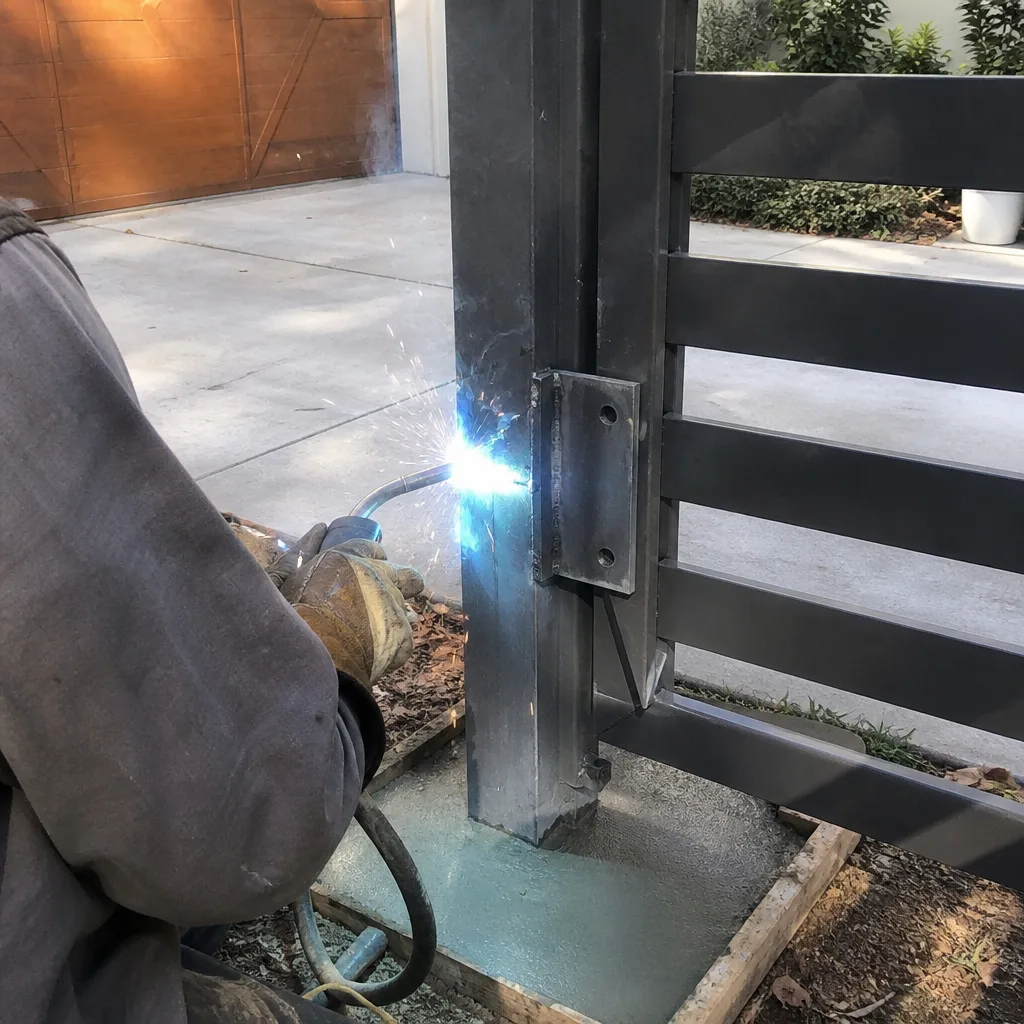
Georgia gate repair permits are triggered by specific thresholds, not by the word “repair.” In Johns Creek and Fulton County, like-for-like part replacements typically need no permit, but operator replacements with electrical changes, structural modifications, or height adjustments do. The documentation you keep, the contractor you hire, and the permits you pull protect your safety, your insurance coverage, and your property value. When in doubt, verify before work starts. The cost of certainty is small; the cost of guessing is not.
Written by Adrian Vance, Owner at Vance Gate Repair Johns Creek, serving Johns Creek since 2014.